School Heating & Boiler Maintenance for Winter
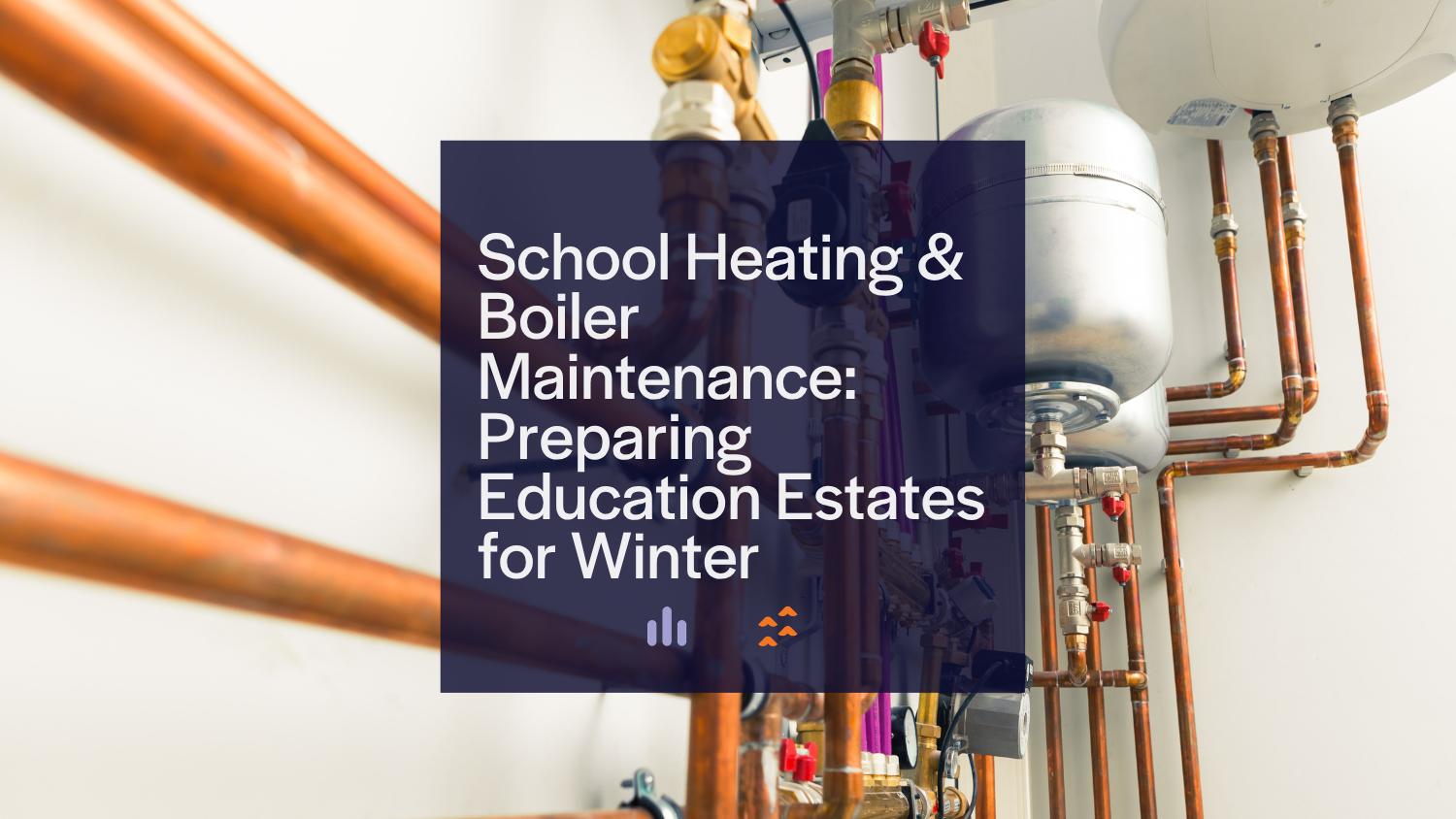
School Heating & Boiler Maintenance: Preparing Education Estates for Winter
When a school heating system fails in winter, the impact is immediate: cold classrooms, disrupted timetables and extra pressure on premises teams.
For schools, universities, colleges and multi-academy trust estates, the priority is keeping heating and hot water reliable without interrupting learning.
November is a useful point to check that servicing is up to date, investigate early warning signs and confirm what will happen if a boiler breaks down during term time.
This guide covers the most important checks, from commercial boiler maintenance and gas safety to controls, pipework and emergency planning.
School winter heating checklist: 10 checks to make now
Use this quick checklist to identify immediate priorities. The sections below explain what to look for and when to involve a competent contractor.
1. Confirm boiler servicing is up to date, and any remedial actions are assigned.
2. Review gas safety records and the competence of contractors carrying out gas work.
3. Investigate leaks, unusual pressure changes or inconsistent heating.
4. Check radiators, circulation pumps, valves and vulnerable pipework.
5. Confirm heating timers, thermostats and occupied-hour settings are appropriate.
6. Review frost protection and insulation in exposed or unheated areas.
7. Check hot water reliability and keep water hygiene controls in place.
8. Identify learning-critical spaces and agree priorities if heating fails.
9. Check emergency contacts, plant room access and fault-reporting procedures.
10. Update the asset register, maintenance plan and outstanding repairs log.
Why school heating needs a different maintenance approach
School sites rarely operate on a simple nine-to-five timetable. Classrooms, sports halls, offices and kitchens can have different opening hours, while breakfast clubs, after-school activities and community use extend demand. Heating controls and servicing plans need to reflect how each building is actually used.
For multi-academy trusts, the challenge increases across several sites. A clear asset register and agreed maintenance priorities help estates teams understand which boilers serve critical spaces, which repairs are outstanding and where the greatest risk of disruption sits.
1. Check commercial boiler servicing and outstanding repairs
Commercial boilers may be running for much longer periods as temperatures fall. A missed service or unresolved defect can become more disruptive once the system is under sustained demand.
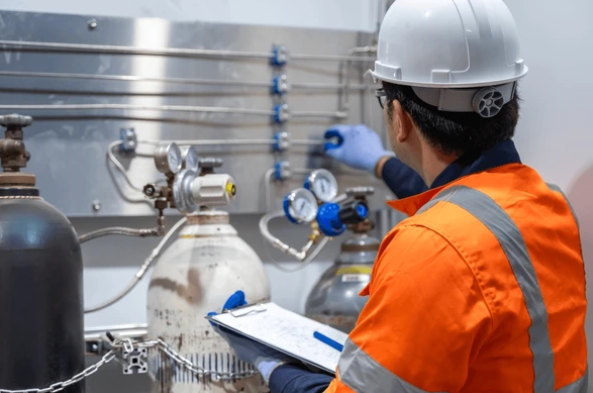
Servicing should follow the manufacturer’s instructions and the needs of the specific installation. Depending on the equipment, a suitably qualified commercial gas engineer may inspect combustion and safety devices, flues and ventilation, boiler controls, system pressure and signs of wear or leakage. Findings should be recorded, with remedial actions clearly prioritised.
If a service was completed earlier in the year, review the report rather than simply checking the date. Confirm whether any recommendations are still outstanding and whether parts or additional works are needed.
Related service: Commercial Gas & Plumbing – boiler servicing, repairs and hot water system support.
2. Keep school gas safety and compliance records up to date
Schools have duties to keep gas installations and appliances safe. Gas work must be carried out by a Gas Safe registered engineer who is qualified for the type of appliance and work involved, including non-domestic equipment where relevant.
Check the most recent service and inspection reports, outstanding defects and the dates when further work is due. It is important not to treat a boiler service, a gas safety inspection and any specific statutory certificate as interchangeable: the arrangements depend on the installation and how it is used.
The Department for Education recommends a maintenance plan following manufacturers’ instructions and notes that at least annual gas safety checks are good practice for school appliances and associated pipework. Some buildings, such as staff accommodation, can have additional landlord requirements.
Keep records accessible to those responsible for the estate, and make sure unsafe or suspected unsafe equipment is not used until appropriate advice has been obtained.
3. Inspect the wider heating system, not just the boiler
A boiler can work correctly while classrooms remain cold. Poor circulation, faulty valves, trapped air, leaks or failing controls may be affecting only part of a building. Premises teams can report visible signs and performance issues; investigation, adjustment and repair should be allocated to appropriately competent people.
· Radiators and pipework: Look for cold areas, visible leaks, corrosion and damaged or poorly insulated pipework.
· Pumps and valves: Report unusual noises, loss of circulation, leaks and rooms that do not reach expected temperatures.
· Expansion vessels and pressure: Recurring pressure loss or repeated top-ups should be investigated rather than treated as normal.
· Frost protection: Review insulation and protective controls for plant rooms, roof voids, external runs and other exposed areas.
Deal with emerging issues before they become emergency callouts, particularly where one plant item serves several classrooms or buildings.
4. Check hot water systems and water hygiene arrangements
Heating and hot water often share plant room space, but they are not the same maintenance task. Schools need reliable hot water for washrooms, kitchens, cleaning and other day-to-day activities. A failure may affect both comfort and essential facilities.
Review reported hot water faults, leaks, circulation issues and the condition of associated equipment. Keep temperature monitoring, flushing and other water hygiene controls aligned with the site’s Legionella risk assessment; changes to control settings should not undermine that programme.
Where work involves hot water storage, pipework or other specialist systems, use competent personnel and keep service and remedial records together.
5. Review heating controls and running costs
Heating systems can waste energy when they operate outside occupied hours or when temperature sensors and controls are not working as intended. Small changes to scheduling can help, provided they are appropriate for the building and its users.
· Timetables: Allow for lessons, staff hours, breakfast clubs, evening activities and community bookings.
· Controls: Check that thermostats, timers and any building management system reflect how spaces are used.
· Uneven temperatures: Investigate rooms that consistently overheat or remain cold before raising setpoints across the estate.
· Energy monitoring: Compare consumption with previous periods, allowing for weather and building use, to flag unusual changes.
Any optimisation should maintain appropriate indoor conditions and comply with site-specific requirements.
6. Agree what happens if heating fails during term time
When a heating fault is reported, estates teams need a clear process for assessing the impact, contacting support and deciding how the building can be used safely. The plan should consider occupied teaching spaces, specialist rooms, vulnerable occupants and essential hot water facilities rather than treating every fault as equally urgent.
Before a breakdown, confirm who takes calls, who can authorise remedial works, how plant rooms are accessed and how updates reach headteachers and premises staff. Multi-site trusts should know who coordinates decisions across the estate.
If a suspected gas leak or unsafe appliance is identified, follow site emergency procedures, do not use the suspected equipment and seek emergency assistance. In Great Britain, the National Gas Emergency Service can be contacted on 0800 111 999 for suspected gas leaks.

Plan maintenance visits around the school day
Even a straight forward boiler repair can be disruptive if it requires isolating heating, hot water or access to shared areas. Before booking work, agree which rooms and facilities may be affected, who can authorise an isolation and whether a school holiday, inset day or quieter period would be more suitable.
Give the contractor accurate plant information and explain any site rules for safeguarding, visitor access and working near pupils. The school should also make relevant asbestos information and other building safety details available where they affect the proposed work. This allows the contractor to plan safe access and the school to communicate any temporary arrangements.
For multi-academy trusts, ashared record of upcoming visits, outstanding repairs and site-specificrestrictions can make coordinating several buildings easier. However, each sitestill needs its own assessment of access, safety and operational impact.
A realistic planned maintenance calendar for schools
School holidays remain useful for servicing and larger repairs, but a winter maintenance plan should also cover checks and faults during term time. The timing below is a planning guide, not a replacement for manufacturer requirements, risk assessments or legal duties.
November: Review servicing records, resolve urgent defects, check controls and confirm emergency arrangements.
Through winter: Monitor heating performance, pressure changes, leaks and reported cold areas. Escalate faults promptly.
Half-term / closures: Schedule repairs that require isolations or restricted access, with enough time for testing.
Spring / summer: Review recurring faults, plan major works and book servicing ahead of the next heating season.
How First in Service supports education estates
First in Service provides planned and reactive maintenance for schools, colleges, universities and multi-academy trusts. Our Gas & Plumbing team supports commercial boilers, heating, hot water and gas safety, while our wider service divisions cover air conditioning, ventilation, commercial catering equipment, facilities management and commercial cleaning.
With nationwide coverage, directly employed engineers and a 24/7/365 helpdesk, we can support individual sites or coordinate maintenance across larger portfolios. Work can be planned around teaching hours and agreed access windows, with reactive support available when unexpected faults arise.
Explore our Education services or read our guide to building a PPM schedule for a broader view of planned maintenance.
Need support with your school’s heating maintenance?
Whether you manage a single school or a multi-site education estate, First in Service Ltd can help you plan commercial boiler servicing, address heating faults and coordinate essential maintenance around the school day.
Talk to our team: https://firstinservice.co.uk/contact
Share the article